More About This Website


In 2005, I thought that it was about time that we started the conversation: about who we are, and where we came from:

Time to differentiate ourselves from Emma Lazarus' "... huddled masses, longing to be free..." (of the 20th Century).

Recognizing that, more often than not, perception creates a reality of it's own.


 Don't ever stop chasing your dreams...


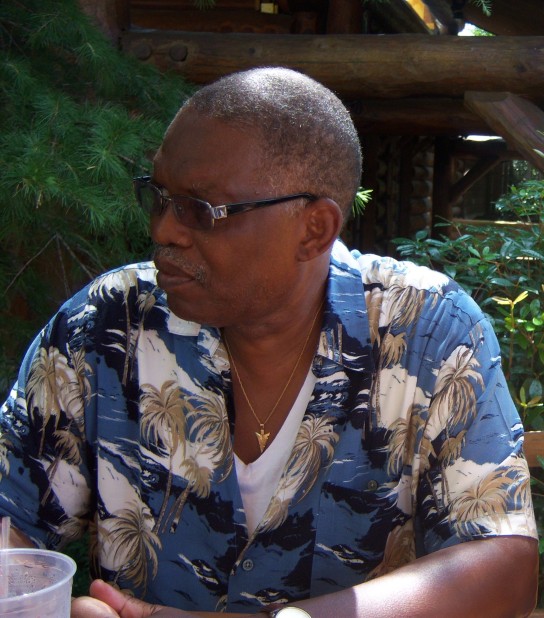
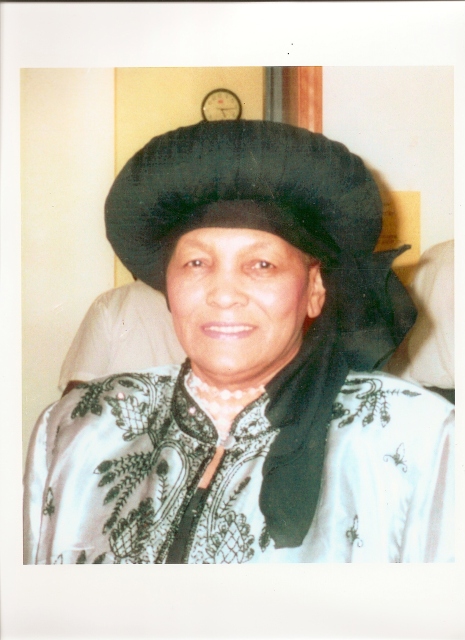
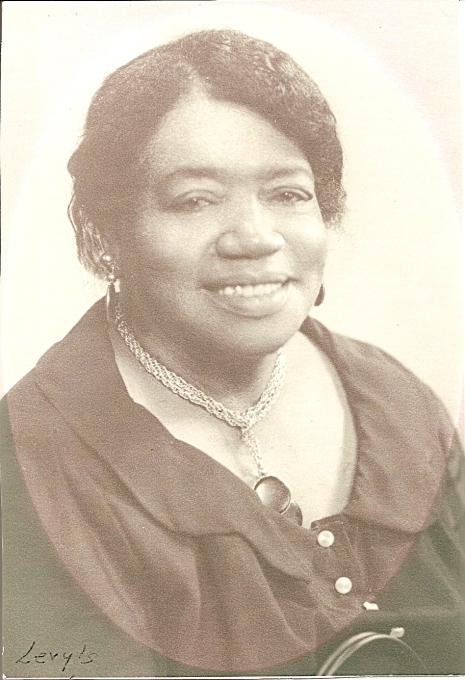
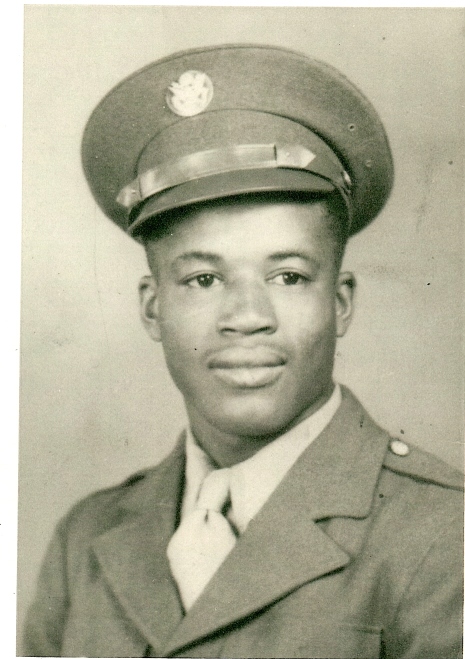
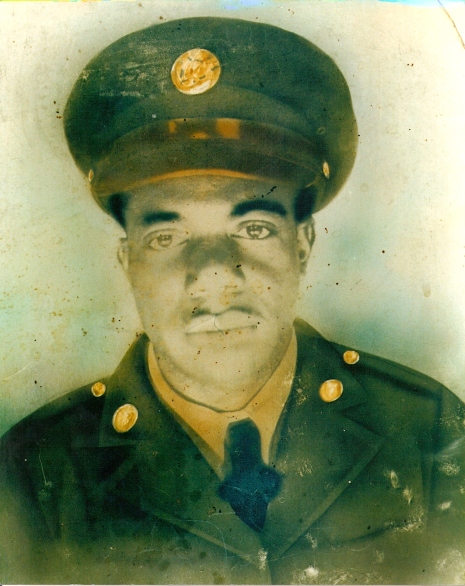
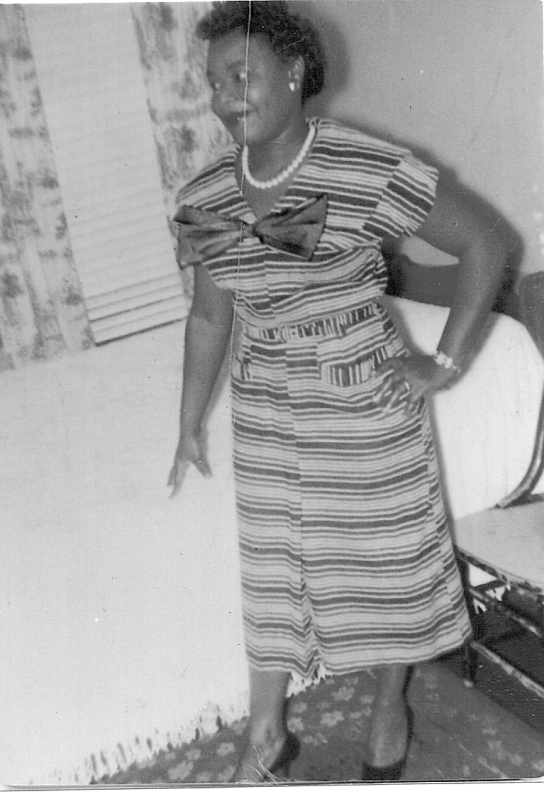
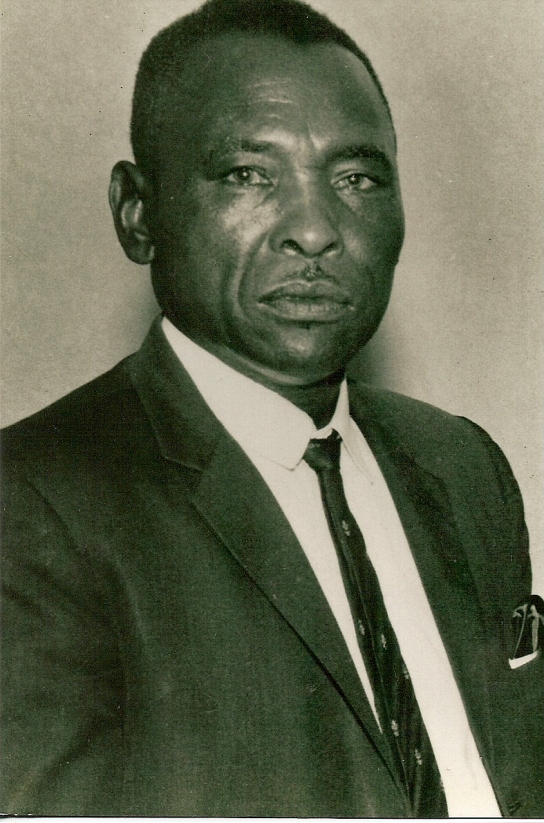
      Doshia Greene Bowling 


Amelia Evans Greene


Almeter Drakeford Harris


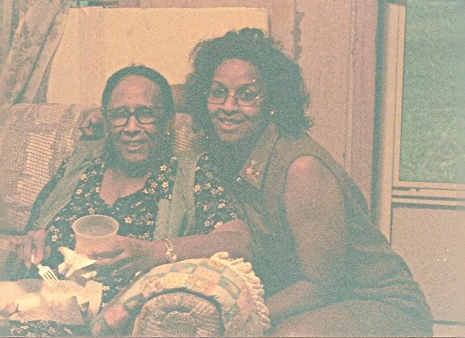
Ruth McCarley Harris and daughter Bobbi Harris Burkes 


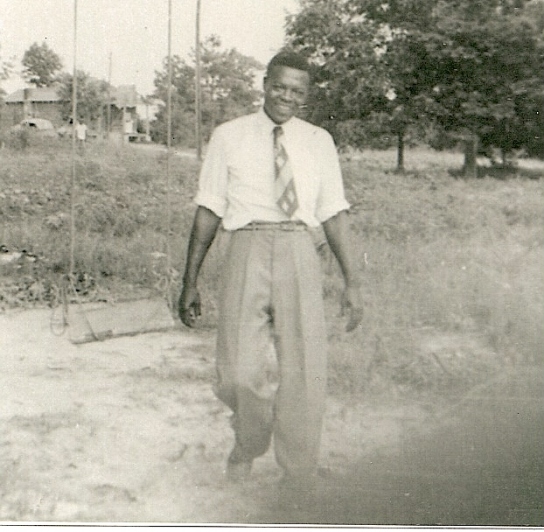
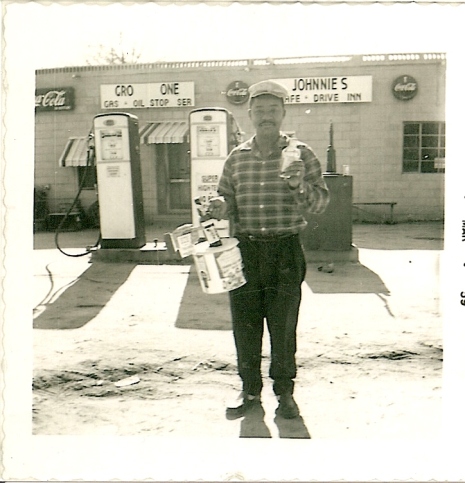
Frank Harris Sr. 1954

Johnnie Harris Jr. 1953


  LJ Harris-1945

  Oscar Harris 1945


Lela-Mae Harris 52'


Walker Jones 1950 (est.)   


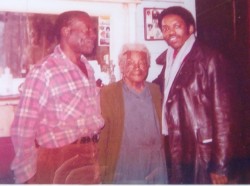
Sunman, Bigmama, & Johnnie Lee 1979 

Author Profile: 


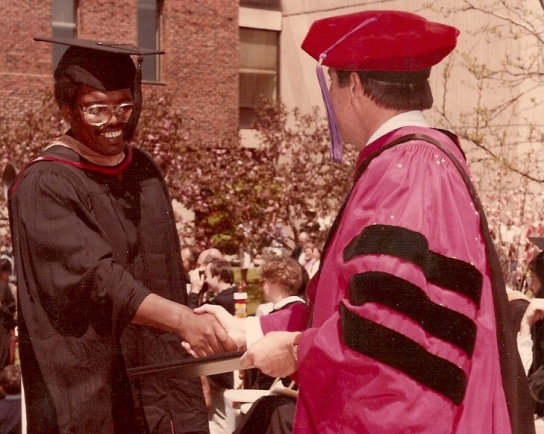
 _ Graduate of the Barney School of Business, University of Hartford, 1983  


_Graduate of Central Connecticut State                            

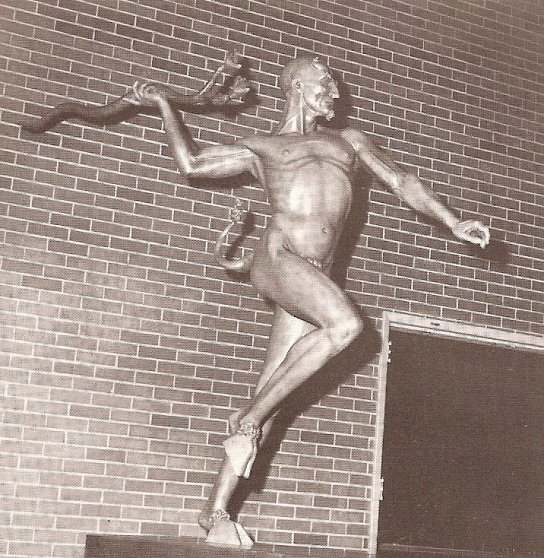
 _ former bodybuilder au naturel.

_ insurance underwriter turned social historian.


Login
Powered by Squarespace
Wednesday
17Feb2010

Learning to Learn

Listening, across generations, is a critical component to effective communication. One of the most valuable lessons that I have learned thus far, in talking with Deshawn, is never to assume that I know what he's going to say before he says it.

At any given point in time, there is at least "five generational voices" on stage; whether or not we hear them, depends upon our ability to interpret their words within the context of time and space.

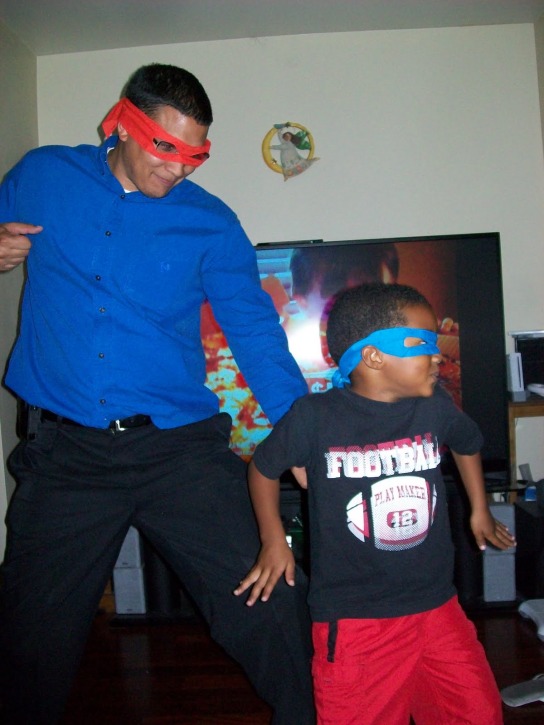
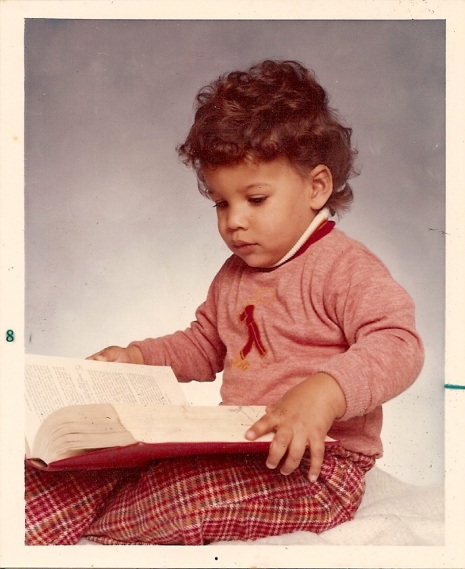
Bradford John 1978 

The "boy" is a grown man now:

One of his favorite idiomatic expressions is, "if you don't know you better go ask somebody!"

Sunday
07Feb2010

Numerican Culture_ Changing the faces of History


Leading by Example 

Tuesday
19Jan2010

Sibling Rivalry (continued)

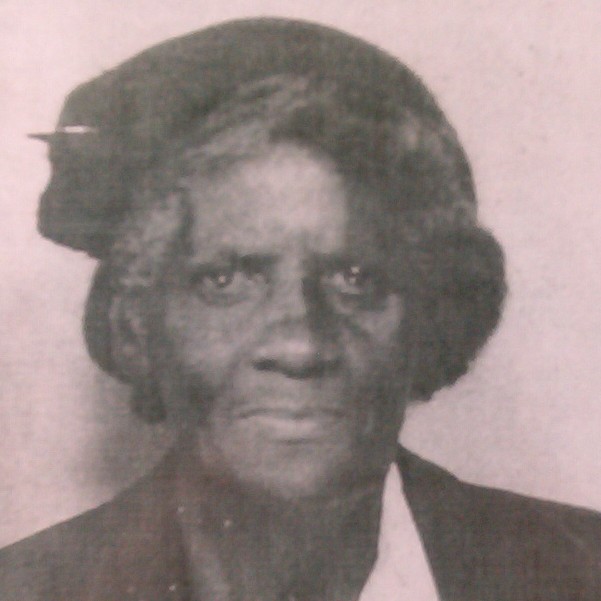
Amelia Evans Greene 

 While raised as the daughter of Amelia, my mother was actually the grand-daughter of her sister Josephine.

Josephine Evans Loynes 


 Josephine's daughter Alice's baby.

Alice lived with Jake and Doshia (Evans) Kirkland in 1931: 


 [Keep in mind that Doshia, Amelia, and Josephine are/were sisters.]

Mother was born in their house and was, initially, also named Alice Loynes.

 Doshia changed her(mother's) name to Doshia Kirkland, which set Amelia on "the War-path". 

Wednesday
04Feb2009

Interdisciplinary Learning

Themes in Geography

Purpose

I. Location


  1. Absolute: 80.7° West, 34.5° North
  2. Relative: 25 miles Northeast of Columbia, 67 miles south of Charlotte, North Carolina, approx. 200 miles Northwest of the ports of Charleston.

White Oak Baptist, Macedonia Baptist Church, Mt. Bethel AME, Rock Springs Church, ...

Kirkland Cemetery Road, Flat Rock Road, John G. Richards (Hwy 97), etc.

Addresses the question;

Exactly where did you say that your people lived?


Absolute location

 addresses location from a nautical perspective.

Relative location

addresses location in relationship to other places.

Other indicators of relative location include landmarks and roads (timeline sensitive).

II. Place

1. Human Characteristics:

a). Native Americans, Irish & Scottish Americans, African Americans, Mestizos, and Mulato Americans;

b). Religious faith driven, primarily, by Protestant and/or Quaker immigrants.

c). Education driven by religion based missionary schools.

2. Physical Characteristics:

a). The Wateree (formerly Catawba) River, Little Lynches Creek, Pee Dee River, Swamps (near the major bodies of water);

b). Appalachian Mountain Chain,

Greater Pee Dee Region;

c). Rabbits, Snakes, Cat-Fish.

What kind of place is and/or was it, measured in humanistic terms.

 For example what was the ethnicity of the dominant coalitions or groups?

Who drove the prevailing religious beliefs?

What was the primary source of knowledge?


Identify the physical characteristics of the place; major water bodies, landforms, wildlife, etc.


III. Human/Environmental Interaction

1. Economics:

a). Land used for farming and cultivation of crops such as cotton, corn, wheat, etc. in the Upper-Country.

b). White settlements grew up about the major waterways because of fertile soil, and navigable waters.

c). Numericans counted on the swamps and water bodies as natural borders against the intrusion of first “the Regulators”, then the “Settlers”, and finally groups that can be lumped under the umbrella term “Klan”.

2. Technology:

a). The Industrial Revolution had a significant impact on how work was done, where people lived, modes of transportation, as well as methods of communication.

b). The industrial revolution had varied impact upon humans held as “chattel”; “freed-Men” of the American Civil War era; and subsistent farmers, at the bottom of the “caste system”.

c). Environmental wastes were major hazards brought on by the industrial revolution.

How does and/or did people use the environment to their advantage, and/or, disadvantage?


Impact, if any, of Technology?

IV. Movement:

1. Physical:

a). Imports and Exports move overland via rail, aircraft, and/or automotive vehicles.

b). Primarily automobile, however, some do travel by aircraft or railway depending upon destination and financial situation.

2. Communications;

a). Electronic mail, cellular phones, hard-line land phones, etc.

b). Internet via public accommodations; internet with employer permissions.

c). Limited proficiency of “heads of house-holds” discourages none commercial use of technological resources.

3. Ideas

a). School system, churches, public hearings, marriages, family gatherings.

b). Institutionalized controls on policies and procedures; curriculums, mission statements, etc.; traditional family values governs marriages.

c). Ideology communicated via the language; symbolism associated with the “Stars & Bars”.

V. Region (entire state)

1. Formal:

a). Native American Homeland up to the “Age of the Explorers”; Catawbas, Creek, Cherokee.

b). Age of the Explorers; incursions by the French, Spanish, Barbadians and British;

c). 17th, 18th, Century Colonial Proprietary Administration of the British;

d). South Carolina as one of the original thirteen colonies;

e). Native American homelands; historically, governed by treaties.

2. Vernacular:

a). Spirituality_ bible belt driven by religious beliefs and ideology.

b). Communications; non- verbal.

Counter-Culture; relied upon body language and/or music to communicate, for example Precious Lord  marks a martyr, and Who’s Going Down In The Grave With Me signaled an impending act of defiance.

b). Imagery; Confederate Flag, symbolic of historical beliefs associated with caste.

How do products, people, services, information, and or ideas move?


(Here you are looking to include location specific information.)


What technology is available and how extensively is it used?

Where are/were ideas exchanged? And who controlls/ed the Agenda?


A region is an area that exhibits institutionalized patterns of behaviors, over an extended period of time; characterized by discernible patterns in marriage, government, language, beliefs, as well as, ethnic composition.


Formal regions

 are those defined by governmental or administrative authorities as “boundaries”.

Vernacular regions

are those, loosely, defined by one’s perception of the area and it’s inhabitants.

   
Thursday
15Jan2009

Cooperative Learning


Seeing the Big Picture
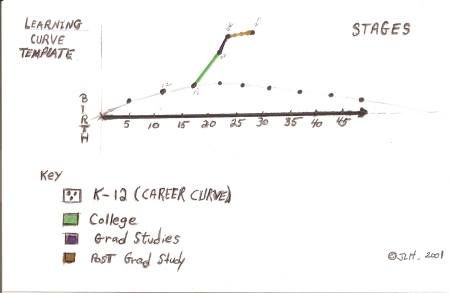
Intelligence is a by-product of "learned behavior".


 Life Management... some straight talk:

1. You have 12 years to learn the "basics": the rest of your life depends upon it.

2. Those with the "ability & willingness" go on to higher education (those without it go to work).

3. As a child, time is your ally:

"I won't grow-up, I don't want to go to school..."


Trust me, it won't be that way always.


4. Did you really believe that you knew all there was to know?


 Intelligence Quotient n: a number used to express the apparent relative intelligence of a person determined by dividing his mental age as reported on a standardize test by his chronological age and multiplied by 100 (Websters 1977).